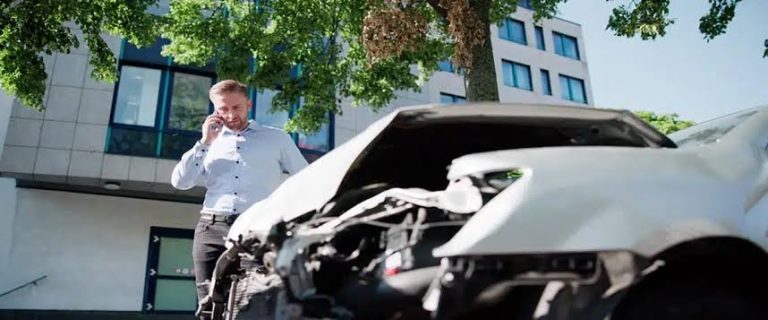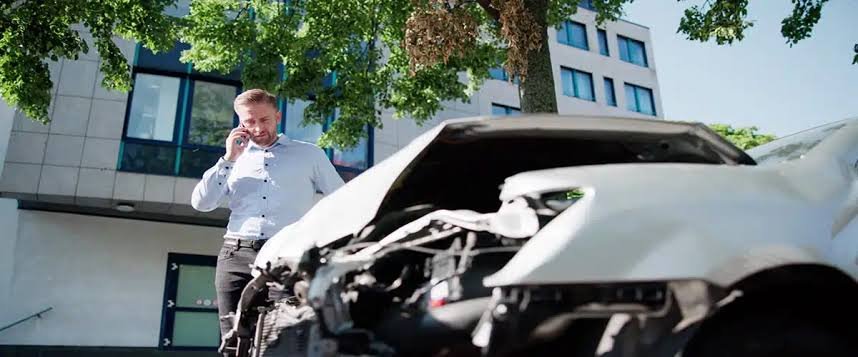
Vehicles can experience body damage for many reasons, ranging from minor parking lot incidents to severe road collisions. In Aurora, changing weather, busy streets, daily commuting, and unexpected accidents can all leave cars with dents, scratches, damaged panels, or structural problems. While some damage may appear purely cosmetic, other issues can affect vehicle safety, performance, and long-term value.
Professional auto body shops in Aurora, Colorado handle a broad range of vehicle damage and use specialized repair techniques to restore both appearance and structural integrity. Drivers can identify when professional assistance may be required by being aware of the most typical types of damage.
Collision Damage
Traffic accidents are among the most common reasons drivers visit an auto body shop. Collision damage can range from a cracked bumper following a low-speed impact to extensive damage involving several body panels.
Front-end collisions may affect the hood, grille, bumper, headlights, and fenders. Rear impacts commonly damage bumpers, trunk panels, taillights, and surrounding bodywork. Side collisions can create problems with doors, quarter panels, and other structural areas.
Even when a vehicle remains drivable after an accident, hidden damage may exist underneath the exterior panels. Problems that might not be immediately apparent can be found with a professional inspection.
Dents And Door Dings
Small dents are common in vehicles used for everyday transportation. A shopping cart, another car door, falling debris, or a minor parking mistake can leave a noticeable dent behind.
The repair method usually depends on the location, depth, and severity of the damage. When the original paint remains intact, paintless dent repair may sometimes be used to reshape the affected panel without conventional repainting. More significant dents may require bodywork, refinishing, or replacement of the damaged section.
Repairing dents can improve appearance while also helping maintain the overall condition of the vehicle.
Hail Damage
Colorado weather can be unpredictable, and hailstorms can cause extensive exterior damage in a short period. A single storm may leave dozens of small dents across the hood, roof, trunk, and side panels.
Hail damage can vary considerably depending on the size of the hailstones and whether the vehicle was protected. Some cars develop shallow dents, while severe storms may crack glass or damage painted surfaces.
Paintless dent repair is commonly considered for hail damage when the paint has not been broken. More serious cases may require traditional body repair techniques and refinishing.
Scratches And Paint Damage
Paint damage can occur without a major accident. Tree branches, road debris, parking incidents, vandalism, and contact with other objects can all scratch a vehicle’s exterior.
Light surface scratches may require relatively simple correction, but deeper scratches can penetrate multiple layers of paint. Once bare metal becomes exposed, moisture can reach the surface and potentially contribute to corrosion over time.
Professional refinishing can address damaged areas while matching the repaired section with the surrounding factory finish as closely as possible.
Cracked And Damaged Bumpers
Bumpers are designed to help manage the effects of minor impacts, making them particularly vulnerable to everyday damage. Parking collisions, low-speed crashes, and contact with fixed objects can result in scratches, cracks, dents, or loose bumper components.
Depending on the extent of the problem, technicians may repair the existing bumper or recommend replacement. Damage behind the visible bumper cover may also need attention because impact-absorbing components and mounting points can be affected.
Damaged Doors And Body Panels
Doors, fenders, hoods, and quarter panels can become bent or distorted during accidents. Severe dents may interfere with how a door opens or closes, while damaged panels can create uneven gaps around the vehicle.
Technicians assess whether a panel can be reshaped safely or whether replacement is the more practical solution. After the physical repair is completed, refinishing helps create a consistent appearance across the repaired area.
Frame And Structural Damage
More serious collisions can affect a vehicle’s underlying structure. Structural damage deserves careful attention because it may influence alignment, handling, crash protection, and the way exterior panels fit.
Modern repair facilities may use computerized measuring systems and specialized equipment to evaluate structural dimensions. When repairs are possible, technicians work to bring affected areas back within appropriate specifications.
Signs such as uneven panel gaps, unusual tire wear, difficulty steering, or a vehicle pulling to one side after an accident may warrant further inspection.
Damage To Lights, Mirrors, And Exterior Components
Accidents do not always damage large body panels. Side mirrors, headlights, taillights, trim pieces, grilles, and other exterior components are also vulnerable.
A broken mirror or light can create more than an appearance problem. Proper lighting and visibility are important for safe driving, particularly during nighttime travel or poor weather. Replacing damaged components can therefore be an important part of a complete body repair.
Keeping Vehicles Road Ready In Aurora
Vehicle body damage can range from a small dent to extensive structural problems, and the appropriate repair depends on the circumstances of each incident. Aurora drivers may encounter collision damage, hail dents, scratched paint, damaged bumpers, bent panels, and broken exterior components throughout the life of a vehicle.
Addressing these problems promptly can help protect appearance, prevent certain issues from worsening, and ensure that safety-related damage receives proper attention. By understanding the types of repairs commonly performed by auto body professionals, drivers can make more informed decisions when their vehicles need restoration.